Preventive Care Strategies Recommended by Dentists
Preventive dental care is the cornerstone of maintaining optimal oral health throughout every stage of life. It plays a critical role not only in preventing common oral diseases like tooth decay and periodontitis, but also in reducing the financial burdens associated with complex restorative and surgical procedures. With growing public awareness regarding holistic wellness, understanding how proactive interventions preserve natural teeth has become essential. These strategies encompass regular professional check-ups, meticulous at-home hygiene routines, and strategic dietary choices. By adhering to the preventive care guidelines established by primary care dentists, individuals can enjoy a long-lasting, healthy smile that directly supports their systemic health and overall quality of life.
The Critical Importance of Routine Dental Check-ups
Regular diagnostic visits are essential for the early detection of underlying oral health conditions before they evolve into major clinical complications. Identifying micro-cavities early allows dentists to perform simple, low-cost fillings, eliminating the need for invasive root canal therapy or full tooth extractions later on. Furthermore, routine appointments allow practitioners to screen for early signs of gingivitis, which can be completely reversed through timely interventions and professional hygiene care. These visits also include professional cleanings that remove hardened calculus and bacterial plaque that standard brushing cannot eliminate.
Crucially, early detection during routine exams protects systemic health. Clinical research consistently correlates chronic periodontal disease with systemic inflammatory conditions, including cardiovascular disease, diabetes, and adverse pregnancy outcomes. During a standard check-up, oral healthcare providers also perform comprehensive oral cancer screenings, which are vital for early diagnosis and improved survival rates.
Despite these clear clinical benefits, millions of individuals delay routine care until severe pain develops. According to Statista, 39% of adults report visiting a local dentist due to pain or emergency issues rather than routine care. Prioritizing preventive appointments allows patients to transition from reactive crisis management to a proactive maintenance strategy.
Recommended Visit Frequencies for Diverse Demographics
While the general consensus among dentists calls for bi-annual check-ups, optimal visit frequency varies based on individual risk factors. Patients managing active periodontal disease, diabetes, or autoimmune disorders often require specialized schedules, visiting their care team every three to four months to prevent disease progression.
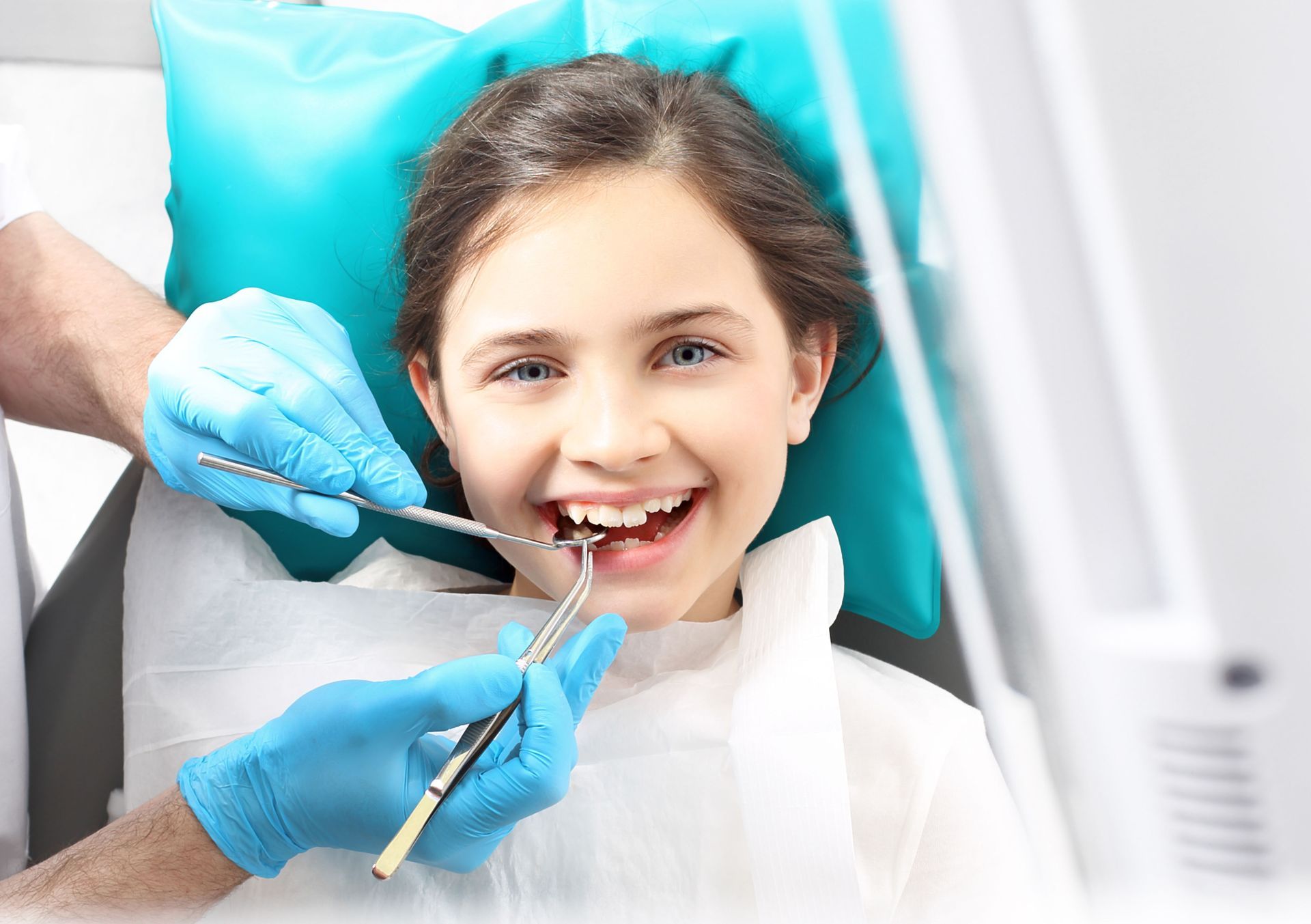
- Pediatric Patients: Early dental visits monitor jaw development, evaluate airway health, and establish positive hygiene habits. Pediatric appointments focus on monitoring structural growth, applying topical fluoride treatments, and placing protective dental sealants on vulnerable molars.
- Elderly Patients: Senior citizens require tailored monitoring due to age-related physiological changes. Conditions such as dry mouth caused by prescription medications, root exposure from gum recession, and compromised manual dexterity require close professional oversight to prevent rapid enamel decay.
Essential Components of a Standard Clinical Exam
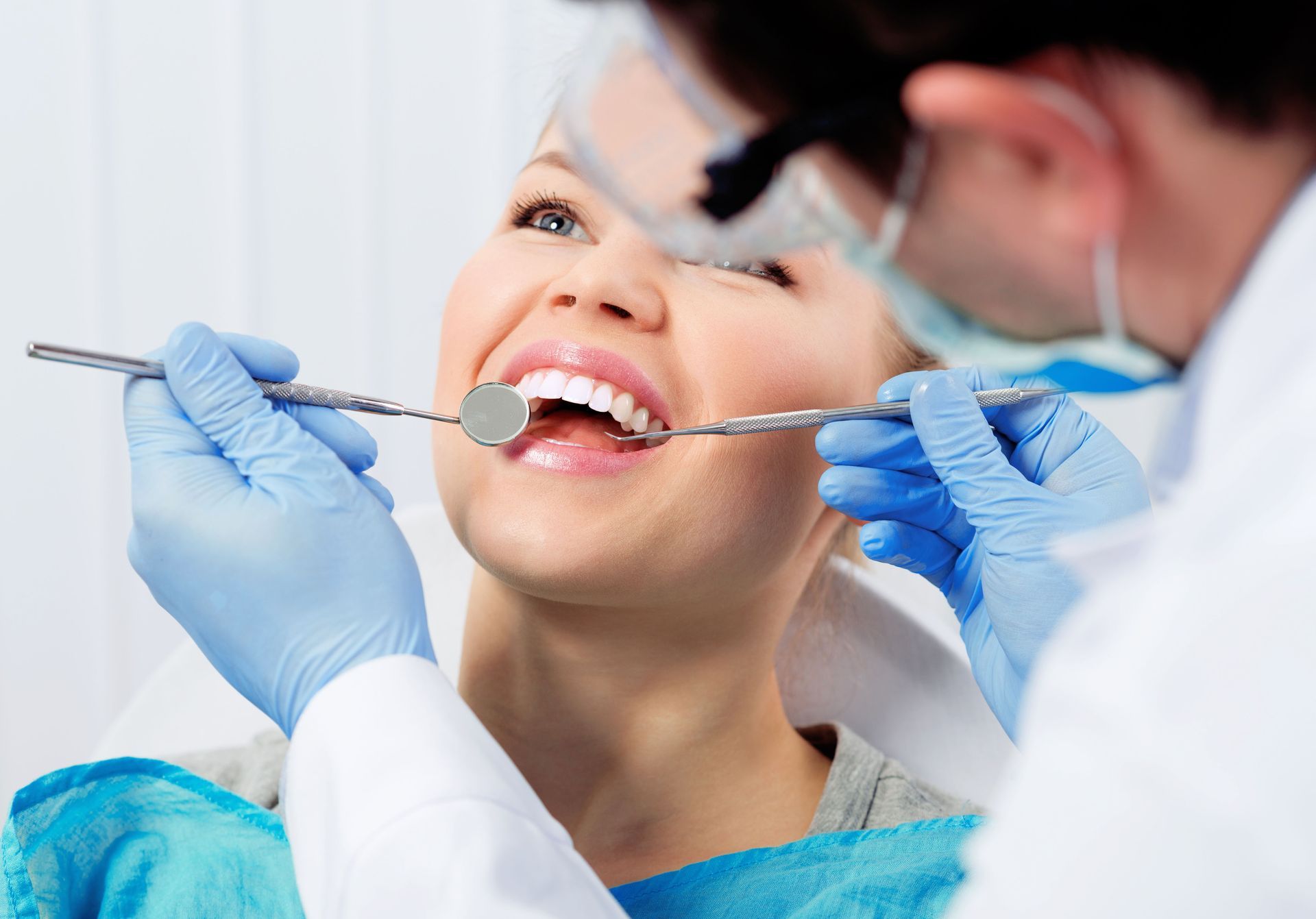
A comprehensive clinical visit involves far more than a simple visual inspection. Dentists conduct a detailed examination of the teeth, soft tissues, and jaw joints while monitoring periodontal pocket depths. Diagnostic digital X-rays are periodically captured to inspect interproximal tooth surfaces and underlying jawbone density that are invisible to the naked eye.
When gum inflammation is present, deep cleaning or scaling procedures are performed to remove bacterial biofilms below the gumline. Dentists also analyze bite alignment and screen for signs of nocturnal teeth grinding. Beyond mechanical cleaning, these appointments provide a valuable educational forum where clinical teams offer personalized instruction on home care techniques, nutritional choices, and habits that support long-term enamel strength.
Overcoming Dental Anxiety and Building Trust
Dental anxiety remains a primary obstacle preventing patients from receiving necessary care. Fear of pain, sensory overload, or past traumatic experiences frequently leads to neglected oral health. Modern dental practices utilize gentle techniques, effective local anesthetics, and targeted sedation options to ensure complete patient comfort.
Building a trusting relationship with compassionate dentists helps demystify procedures and reduces stress. Clear communication, transparent treatment plans, and comfortable office environments empower anxious individuals to attend regular check-ups with confidence.
Establishing Effective Daily Oral Hygiene Practices
Daily mechanical plaque removal is fundamental to oral health. Dentists recommend holding a soft-bristled brush at a 45-degree angle toward the gumline, using gentle circular motions across every tooth surface. Brushing should occur at least twice daily for two full minutes. Brushing too aggressively with hard bristles can cause permanent enamel wear and gum recession, making gentle precision essential.
Timing is equally important, particularly after consuming acidic foods or beverages. Waiting thirty minutes before brushing prevents scrubbing acid-softened enamel. For individuals with limited dexterity or arthritis, electric toothbrushes featuring pressure sensors and built-in timers optimize plaque removal with minimal effort.
Selecting Optimal Hygiene Tools and Products
Choosing the right tools enhances daily preventive efforts:
- Toothbrushes: Dentists universally recommend soft or extra-soft bristles. Compact brush heads maneuver easily into hard-to-reach posterior areas of the mouth.
- Fluoride Toothpaste: Fluoride remineralizes weakened enamel, making teeth far more resistant to acid attacks. Patients with severe sensitivity benefit from formulas containing potassium nitrate.
- Interdental Cleaning Tools: Flossing daily cleans tight spaces between teeth where toothbrush bristles cannot reach, eliminating food debris and preventing interproximal cavities. Water flossers and interdental brushes offer effective alternatives for individuals with braces or dental bridges.
- Antimicrobial Mouthwashes: Therapeutic, alcohol-free mouth rinses reduce oral bacteria, strengthen enamel, and provide fresh breath without drying out delicate mucosal tissues.
Properly maintaining these hygiene tools is vital. Toothbrushes should be thoroughly rinsed, stored upright to air-dry, and replaced every three months—or immediately following an illness—to prevent bacterial reinfection.
Understanding the Impact of Diet on Enamel and Gums
Dietary choices directly influence the chemical balance of the mouth. Harmful oral bacteria feed on refined sugars and simple carbohydrates, producing corrosive acids that strip essential minerals from enamel. Limiting sugary snacks and carbonated beverages minimizes these destructive acid cycles.
Conversely, nutrient-dense foods actively fortify oral structures. Calcium-rich foods like milk, cheese, and leafy greens rebuild mineral density, while phosphorus-rich proteins repair enamel. Fibrous fruits and vegetables, such as apples and celery, stimulate healthy saliva flow. Saliva serves as the mouth's natural defense mechanism, washing away loose debris, neutralizing harmful acids, and delivering essential minerals directly to tooth surfaces. Drinking plentiful plain water throughout the day further supports saliva production and maintains a clean oral environment.
Protecting Oral Health Through Lifestyle Adjustments and Habit Modification
Beyond daily hygiene and balanced nutrition, modifying specific lifestyle habits plays a pivotal role in preserving long-term oral health. Tobacco use, including smoking, chewing, and vaping, remains one of the primary risk factors for severe periodontal disease, oral cancer, and delayed post-surgical healing. Tobacco chemicals restrict microvascular blood flow to the gums, masking early warning signs of infection like bleeding and accelerating bone loss around natural teeth.
Similarly, chronic stress significantly impacts oral wellness. High stress levels frequently trigger nocturnal bruxism—the involuntary grinding or clenching of teeth—which causes micro-fractures in enamel, joint pain in the temporomandibular joint (TMJ), and premature dental wear. Dentists frequently recommend custom-fitted nightguards to cushion teeth and absorb excessive bite forces during sleep.
Comprehensive Long-Term Care for Every Life Stage
Maintaining a healthy smile requires a lifetime commitment that adapts to changing physiological needs. Children require guidance to master foundational brushing habits, teenagers benefit from extra vigilance while undergoing orthodontic alignment, adults must manage stress-related grinding, and seniors require focused care to protect exposed root surfaces. By combining diligent daily home care with a balanced diet, individuals lay a strong foundation for lifelong oral health.
Partnering with an experienced dental team ensures that your preventive strategy evolves alongside your individual needs. When you are ready to schedule your next comprehensive check-up, receive personalized hygiene guidance, or protect your family’s oral health, trust the experienced care team at West Cobb Smiles to deliver exceptional, compassionate dental care.



Share On: