5 Key Factors That Determine Whether a Dental Implant Can Restore Function After Tooth Loss
Tooth loss affects oral function, jawbone health, and self-confidence. While traditional options such as removable dentures and tooth-supported bridges remain available, dental implants offer a durable solution for restoring chewing ability, supporting jaw structure, and improving speech. However, successful implant treatment requires more than replacing a missing tooth with an artificial crown. It depends on biological integration, mechanical stability, and consistent maintenance.
The materials selected, implant design, surgical technique, and the patient's overall health all influence how well a restoration withstands everyday chewing forces. According to Polaris Market Research, the U.S. dental implants market was valued at $1.69 billion in 2025 and is projected to grow at a compound annual growth rate (CAGR) of 8.54% from 2026 through 2034. Understanding these five factors helps patients and dental professionals work together to achieve lasting results.
1. Assessing Bone Density and Volume
Dental implant success depends heavily on the density, volume, and quality of the surrounding jawbone. Adequate bone provides the stability needed to support an implant and withstand daily chewing forces. After a natural tooth is lost, the jawbone may gradually deteriorate because it no longer receives stimulation from the tooth root. Significant bone loss can make implant placement more challenging and increase the risk of instability or failure.
Before treatment, a local family dentist evaluates whether the available bone can adequately support an implant. Panoramic X-rays and three-dimensional Cone Beam Computed Tomography (CBCT) scans help assess bone height, width, and density while identifying important structures, including nerves and sinus cavities.
When bone volume is insufficient, bone grafting may rebuild the area and create a more stable foundation. Depending on the patient's needs, clinicians may use the patient's own bone, donor bone, or synthetic materials. Allowing the graft to heal before implant placement can improve the conditions needed for successful integration and long-term stability.
2. Evaluating Implant Material and Design
The material and design of a dental implant influence its strength, durability, and compatibility with surrounding tissues. Titanium and zirconia are two commonly used materials, each offering distinct advantages.
Titanium has a long history of successful use because of its strength, durability, and ability to integrate with living bone. Zirconia provides a tooth-colored, metal-free alternative that may appeal to patients with specific material preferences or aesthetic concerns, particularly in visible areas. The appropriate choice depends on individual clinical needs and professional recommendations.
An implant's shape and surface also affect stability. Osseointegration is the process through which bone bonds with the implant, creating a secure foundation. Manufacturers use surface treatments, such as sandblasting and acid-etching, to encourage bone attachment and strengthen this connection.
Implants may feature tapered or cylindrical designs, depending on the placement site, available bone, and anticipated chewing forces. Choosing an appropriate design helps establish stability while accommodating each patient's jaw structure.
Advances in digital dentistry allow clinicians to create customized abutments and precisely fitted crowns that complement a patient's bite. Proper alignment distributes chewing forces more evenly and reduces unnecessary stress on the restoration. In suitable cases, immediate-loading techniques may allow a temporary restoration to be placed sooner, although timing depends on bone quality, implant stability, and individual treatment needs. A local family dentist can help patients understand their options and determine which materials and designs best support comfort, appearance, and long-term function.
3. Managing Patient Health and Oral Hygiene
Overall health and oral hygiene play essential roles in implant healing and longevity. Existing dental problems, particularly periodontal disease, should be addressed before surgery. Bacteria associated with gum disease can damage the tissues surrounding an implant, potentially causing peri-implantitis. This inflammatory condition can destroy supporting bone and soft tissue, threatening implant stability.
Treatment may include professional cleanings, scaling, and root planing. Establishing healthy gums before surgery creates a better environment for healing and reduces the risk of complications.
Systemic conditions can also influence outcomes. Uncontrolled diabetes may impair healing, while osteoporosis and certain autoimmune disorders may require additional evaluation and coordinated care. Patients should discuss their medical history and medications with their dental team so potential risks can be appropriately managed.
Lifestyle choices matter, too. Smoking and tobacco use can impair blood flow, interfere with tissue repair, and increase the risk of complications. A balanced, nutrient-rich diet and healthy habits can support recovery and oral health.
After treatment, consistent hygiene is essential. Patients should brush thoroughly, clean between their teeth and around implant restorations, and use recommended oral care products. Regular professional cleanings and examinations allow a local family dentist to monitor gum health, assess implant stability, and identify inflammation early. Prompt treatment can help protect supporting bone and preserve the restoration.
4. Utilizing Skilled Surgical Precision
The treating professional's experience and clinical expertise are important factors in implant success. Placement requires careful planning, knowledge of oral anatomy, and an understanding of how the implant will function within the patient's bite.
Before surgery, clinicians evaluate the jawbone, nearby nerves, sinus cavities, and other anatomical structures. This planning helps determine the appropriate implant position and minimize complications. Individualized treatment planning also ensures that the final crown aligns properly with neighboring teeth.
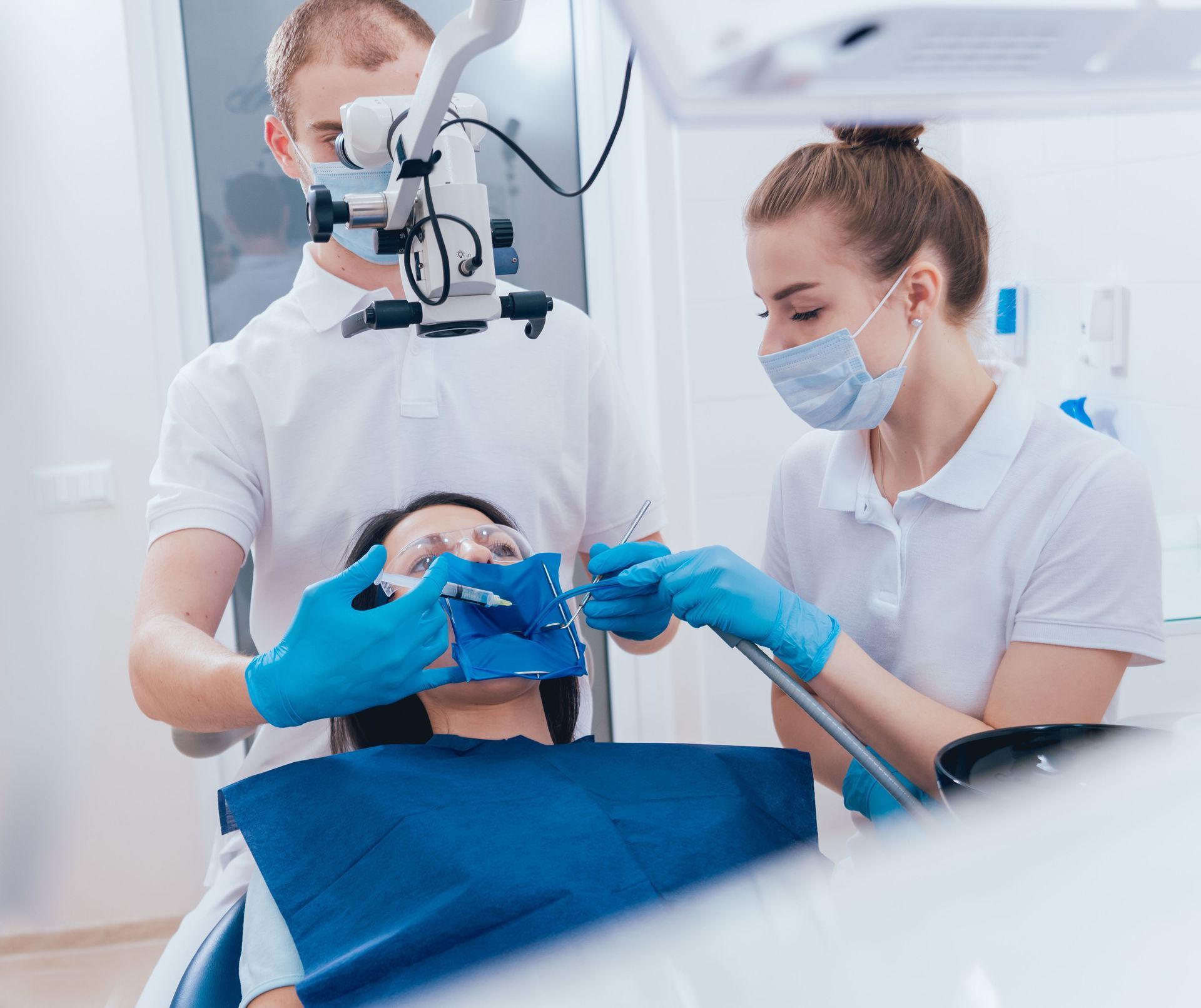
Digital technology has improved the precision of implant procedures. Three-dimensional imaging and planning software help clinicians determine the ideal placement angle, depth, and position before surgery. Custom surgical guides can then transfer the digital plan to the treatment site.
Accurate positioning supports stability, efficient chewing, and a natural-looking restoration. It also reduces the likelihood of positioning errors that could affect the crown or surrounding structures. When choosing a provider, patients should look for a qualified professional who can explain the treatment plan, available technologies, potential risks, and expected recovery. Consulting a local family dentist is a helpful starting point for evaluating implant candidacy and understanding whether a referral to a specialist may be appropriate.
5. Following Post-Surgical Maintenance Protocols
The healing period following implant surgery is critical. During this time, the implant begins integrating with the surrounding bone, and the surgical tissues need time to recover. Following the dental team's instructions helps protect the site and support healing.
Post-operative guidance may include eating soft foods, limiting strenuous physical activity, and following specific cleaning instructions. Avoiding excessive pressure on the implant during early healing is particularly important because premature loading can interfere with integration. Patients should follow their clinician's recommendations about when normal eating and activities can safely resume.
Long-term care requires continued attention. Patients should contact their dental provider if they experience persistent pain, unusual swelling, bleeding, or movement around the implant. These symptoms may indicate a complication that needs evaluation. Prompt treatment can prevent manageable problems from progressing.
Routine follow-up visits allow the dental team to examine the implant, monitor surrounding gums and bone, and assess the crown and other components. Even when an implant feels comfortable and functions normally, regular professional care remains important. Maintaining a partnership with a local family dentist helps patients stay on schedule with preventive visits and address potential concerns before they become more serious. Consistent home care, routine examinations, healthy lifestyle choices, and early attention to problems all contribute to long-term performance.
By understanding these considerations and following professional guidance, patients can help protect their investment and maintain a comfortable, functional smile for years to come. For more information about dental implants and other restorative services, contact West Cobb Smiles to discuss your options and determine the approach that best fits your oral health needs.




Share On: